Conditions that are frequently misdiagnosed or underserved in general dental and medical settings. We specialize in exactly these.
 01
01
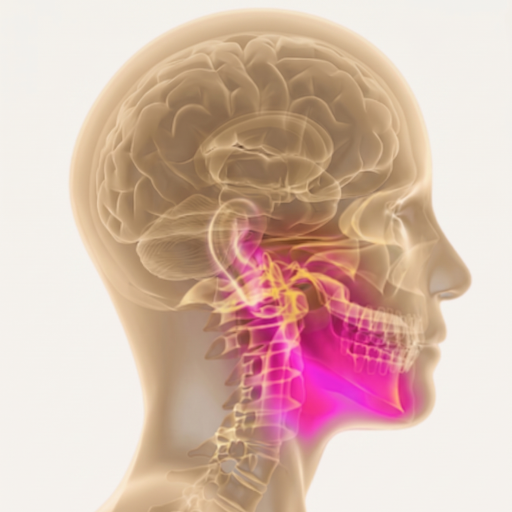
Obstructive sleep apnea and upper airway resistance disorder cause your airway to partially or fully collapse during sleep, depriving your body of oxygen and disrupting rest throughout the night.
 02
02
Involuntary clenching or grinding of teeth — most often during sleep — causes accelerated tooth wear, jaw muscle fatigue, and morning pain, frequently linked to stress and airway dysfunction.
 03
03
Persistent or recurring facial pain can arise from muscles, joints, nerves, or a combination — often mimicking toothache, ear infection, or sinus pressure and going undiagnosed for years.
 04
04
Persistent facial pain that doesn't respond to standard dental or medical treatment often has a musculoskeletal or neurological origin. Accurate diagnosis is the essential first step toward relief.
 05
05
Many chronic headaches originate in the jaw, bite, or cervical muscles — not the brain. Identifying and treating the orofacial source can significantly reduce headache frequency and severity.
 06
06
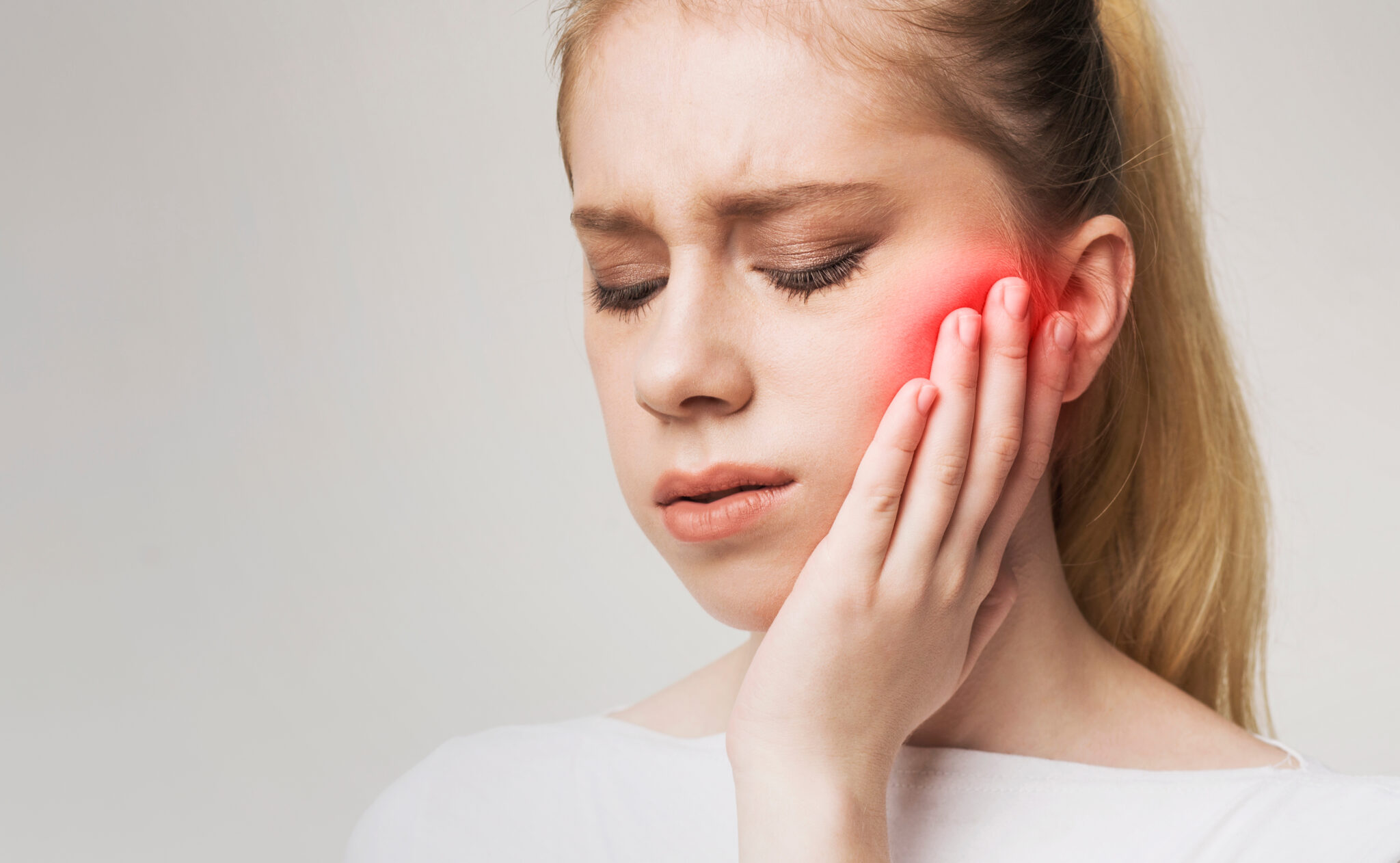
Dysfunction of the joint connecting your jaw to your skull causes pain, clicking, and limited movement — among the most common and most undertreated chronic pain conditions in adults.
 07
07
Myofascial trigger points in the jaw, neck, and facial muscles cause referred pain patterns that are frequently misdiagnosed as toothache or sinus infection. Accurate identification of the muscular source is key to lasting relief.
 08
08
Trigeminal neuralgia, post-herpetic neuralgia, and post-procedural nerve pain produce burning, electric-shock, or shooting sensations in the face. These conditions require specialized diagnosis to distinguish them from dental or sinus causes.
Every treatment plan starts with the most conservative, reversible options available. We never recommend anything more involved until it's truly necessary.
Precision-fitted night guards and splints that reposition the jaw, protect teeth from grinding, and reduce TMJ load — the most effective conservative treatment for most patients.
Structured jaw exercises and movement therapy designed to restore normal joint function, reduce inflammation, and rebuild strength in the supporting musculature.
Targeted treatment of muscular trigger points in the jaw, face, and neck — addressing the root source of referred pain commonly misdiagnosed as dental or sinus problems.
Assessment and correction of bite alignment issues that contribute to TMJ dysfunction, muscle overload, and chronic pain — using minimally invasive approaches.
FDA-cleared oral appliances for snoring and obstructive sleep apnea — an effective, travel-friendly CPAP alternative for mild-to-moderate cases, coordinated with your sleep physician.
Education and clinical guidance on parafunctional habits, stress-related jaw clenching, posture, and lifestyle factors that directly contribute to TMJ and orofacial pain.
A thorough 60–90 minute appointment covering your full history, symptoms, prior treatments, and goals. No rushed screening — we take the time to understand your complete picture.
We review your records, imaging if needed, and sleep studies where applicable. You receive a clear diagnosis and a written treatment plan with realistic expectations.
Treatment starts conservative. Dr. Ramanna monitors your progress closely, adjusting as needed and coordinating with any other specialists involved in your care.